

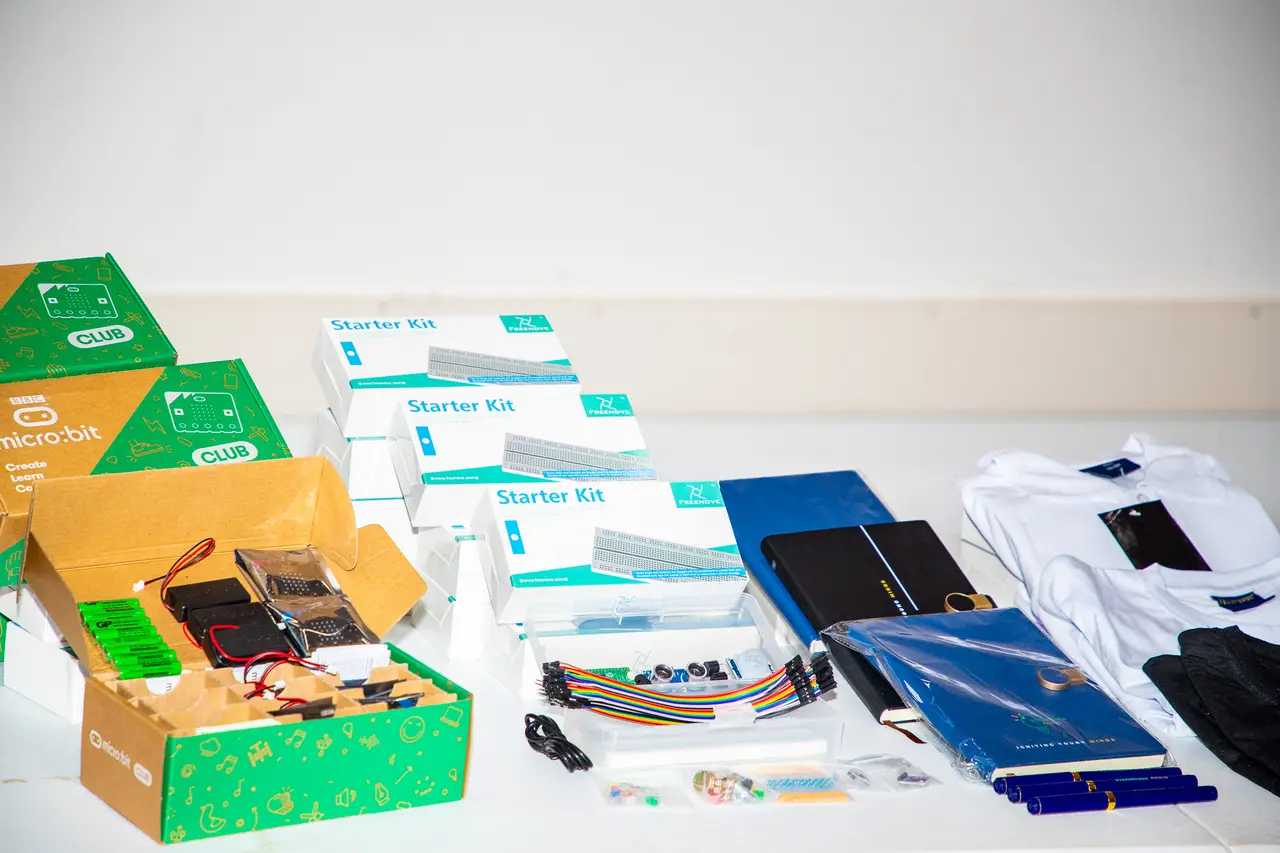
Physical Computing
Learners use micro:bit to understand how code connects to sensors, inputs, outputs and real-world interaction.
A report documenting maker-centred learning, STEM exploration and physical computing using micro:bit technologies across STEAMLabs Africa learning communities.
Images help the report show the learner experience behind the numbers: coding, testing, building, collaborating and presenting.
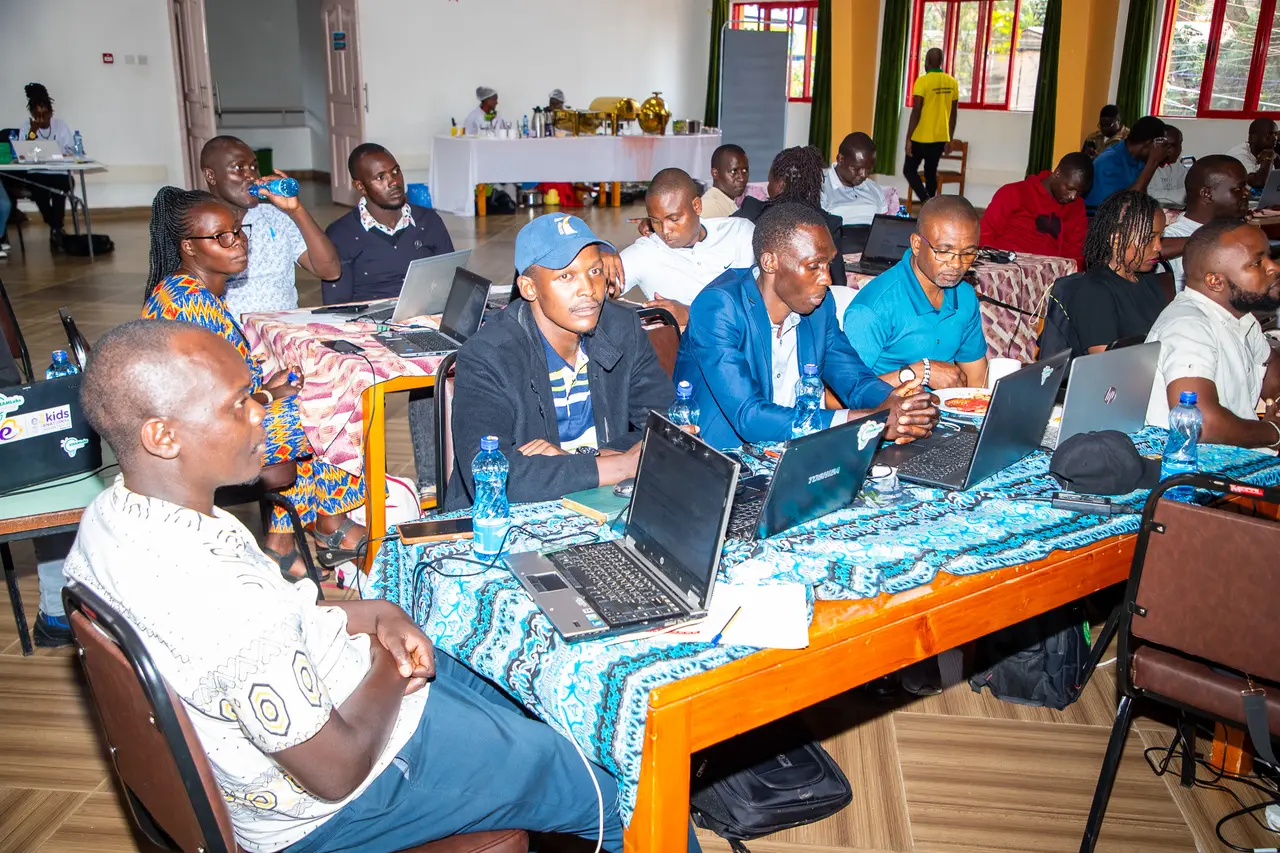
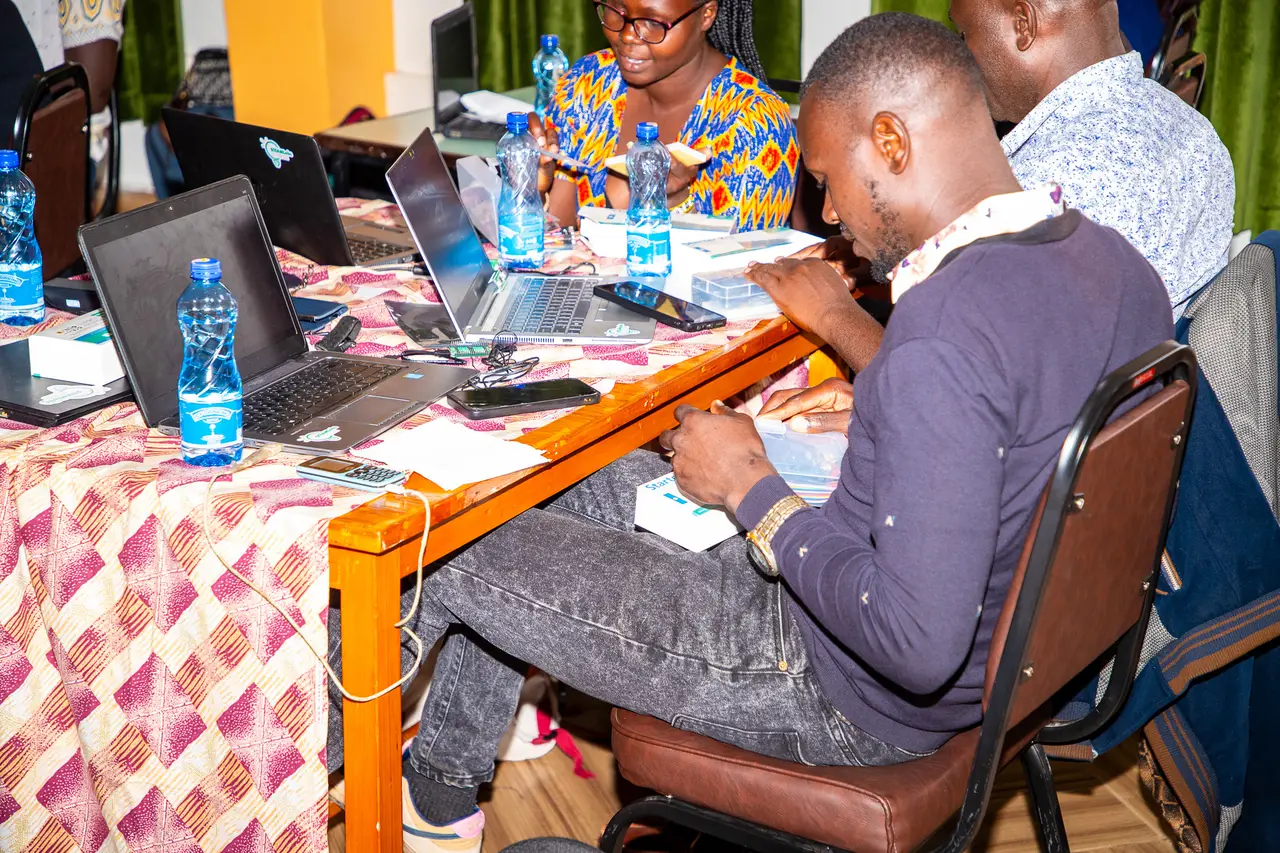
This report captures how micro:bit supports physical computing, practical STEM learning and school-based innovation culture.
Learners use micro:bit to understand how code connects to sensors, inputs, outputs and real-world interaction.
Students build simple prototypes, test ideas and apply creative problem-solving through hands-on STEM tasks.
The programme strengthens computational thinking, experimentation, collaboration and confidence in technology-rich learning.
Schools are supported to nurture curiosity, creativity and learner-led innovation through practical digital making experiences.
As STEAMLabs Africa grows, the Impact section will continue to document evidence, stories, reports, publications and learning from our work with learners, educators, schools and partners.